
Education and research solutions
Students learn robotics on the same equipment used in factories and laboratories: KUKA industrial robots, cobots, mobile platforms and machine vision systems. Hands-on work on real tasks — from trajectory programming to a mini production line — prepares the operators, technicians and engineers that industry is looking for today. For research groups, we offer platforms for AI and legged robotics research.
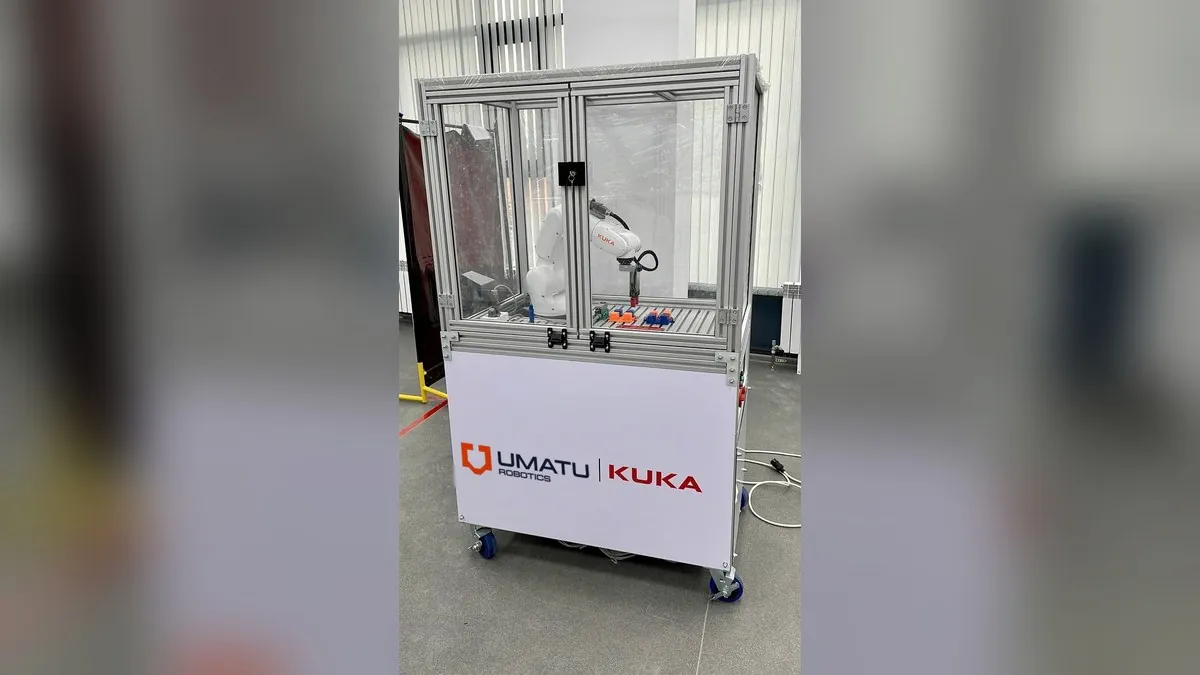
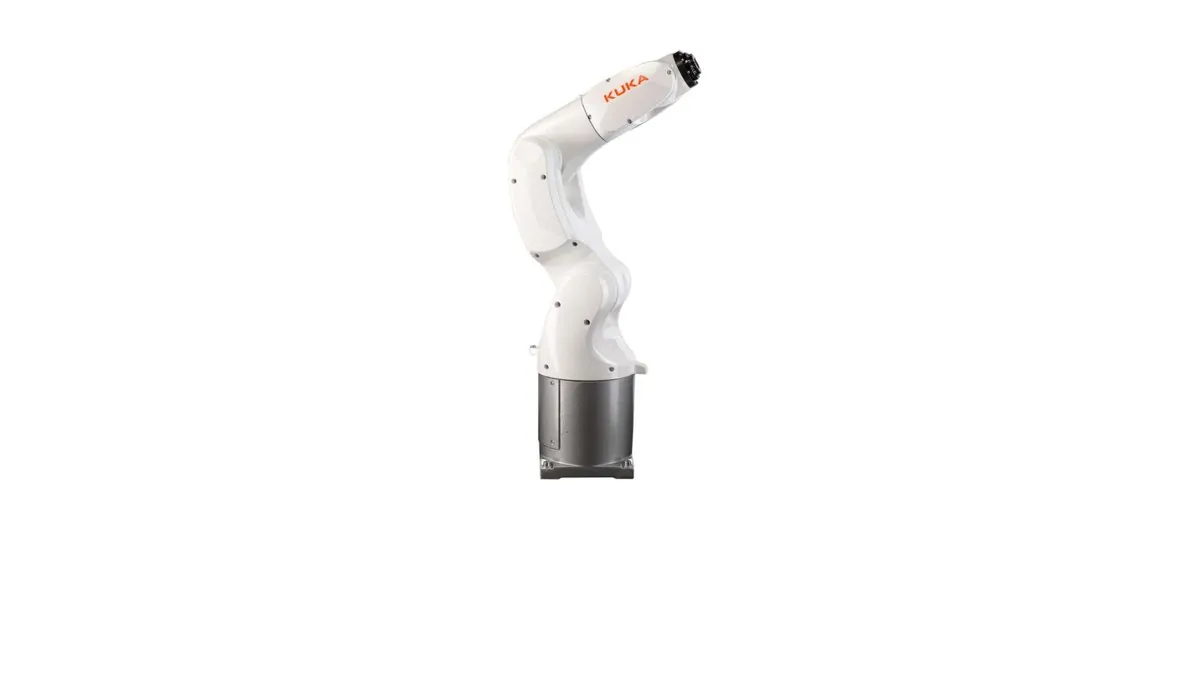
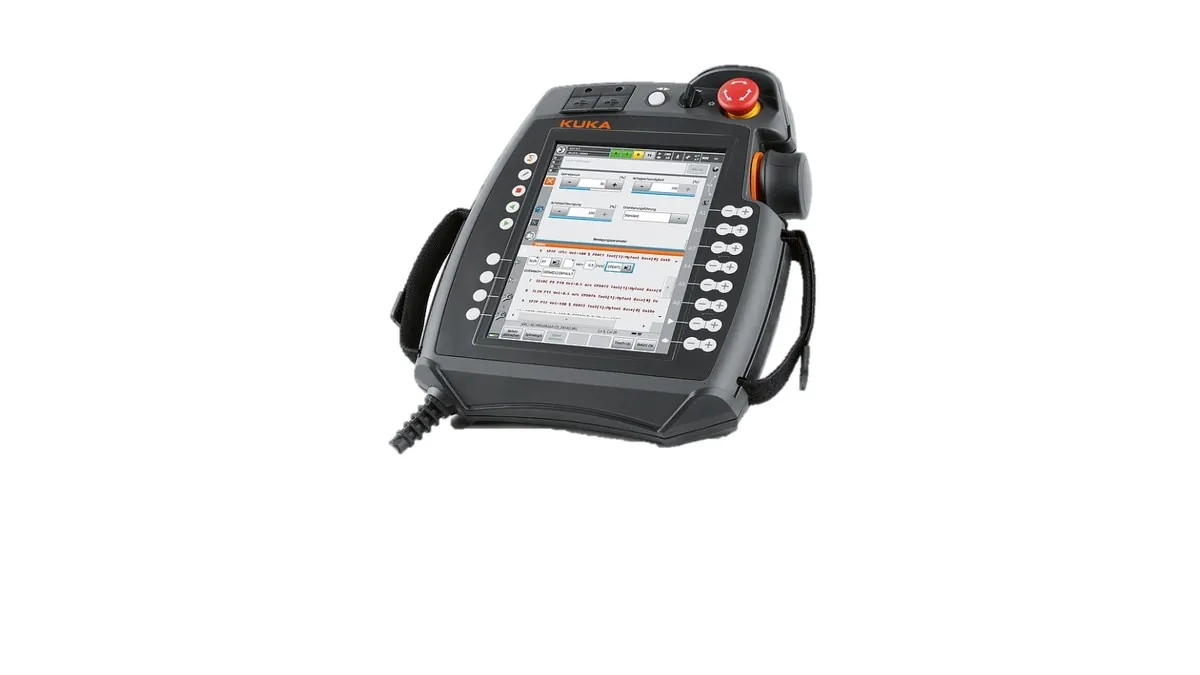
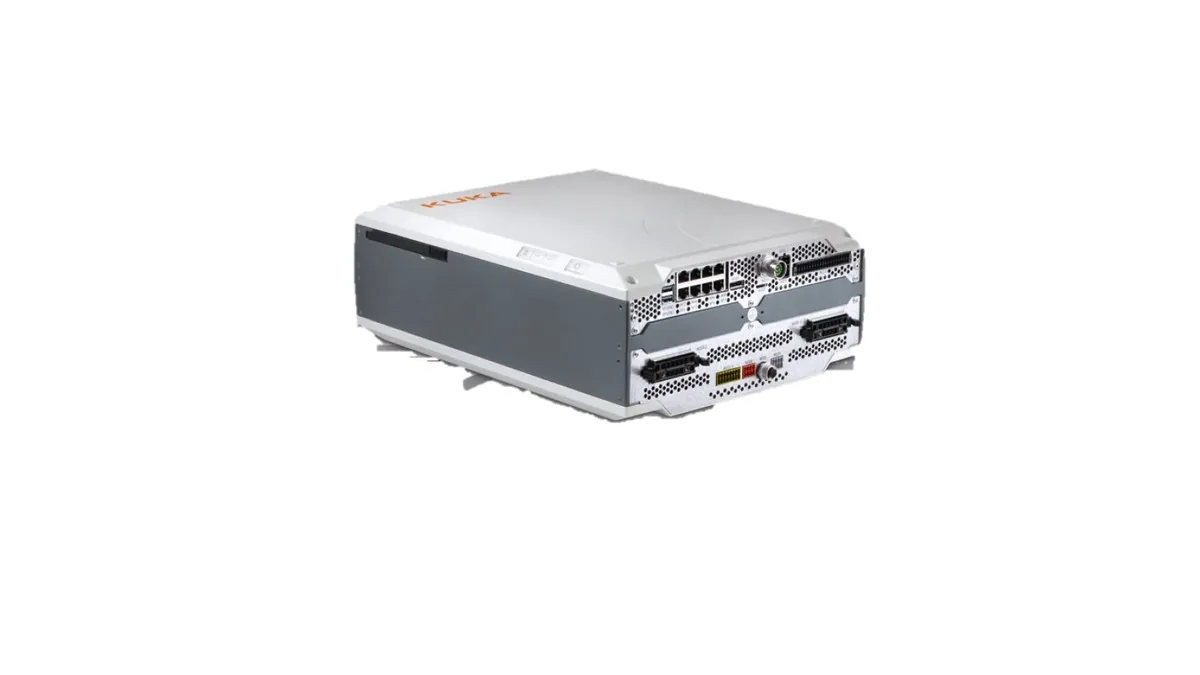
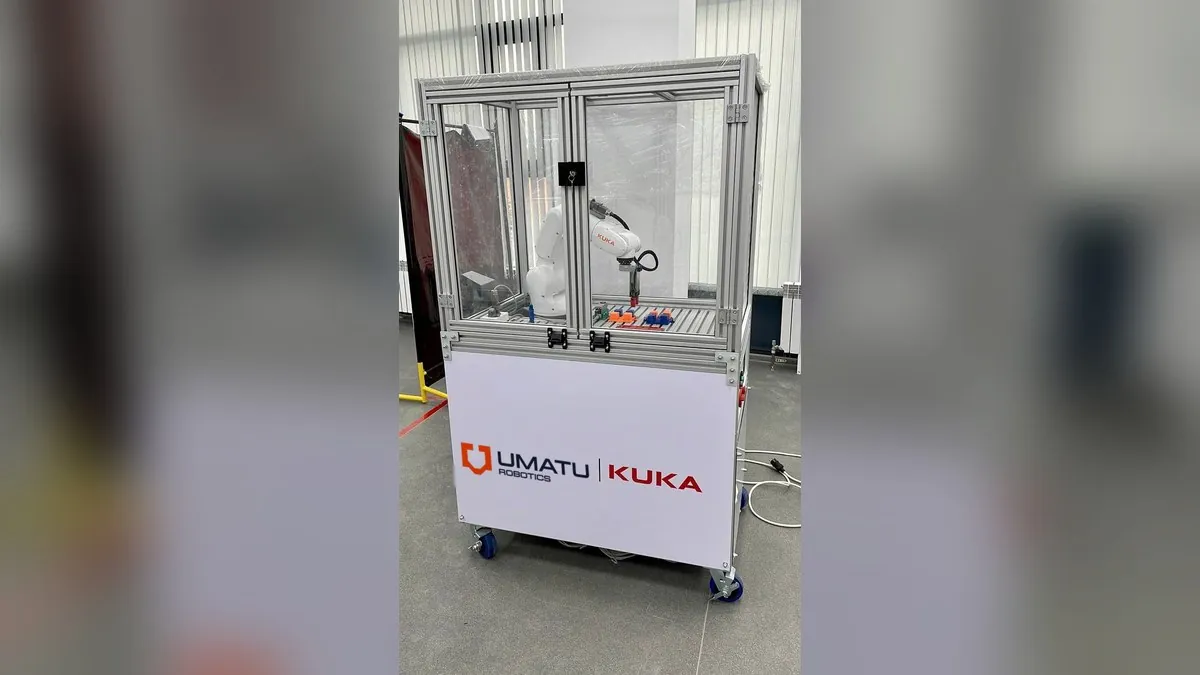

Training cell based on an industrial robot
What it is
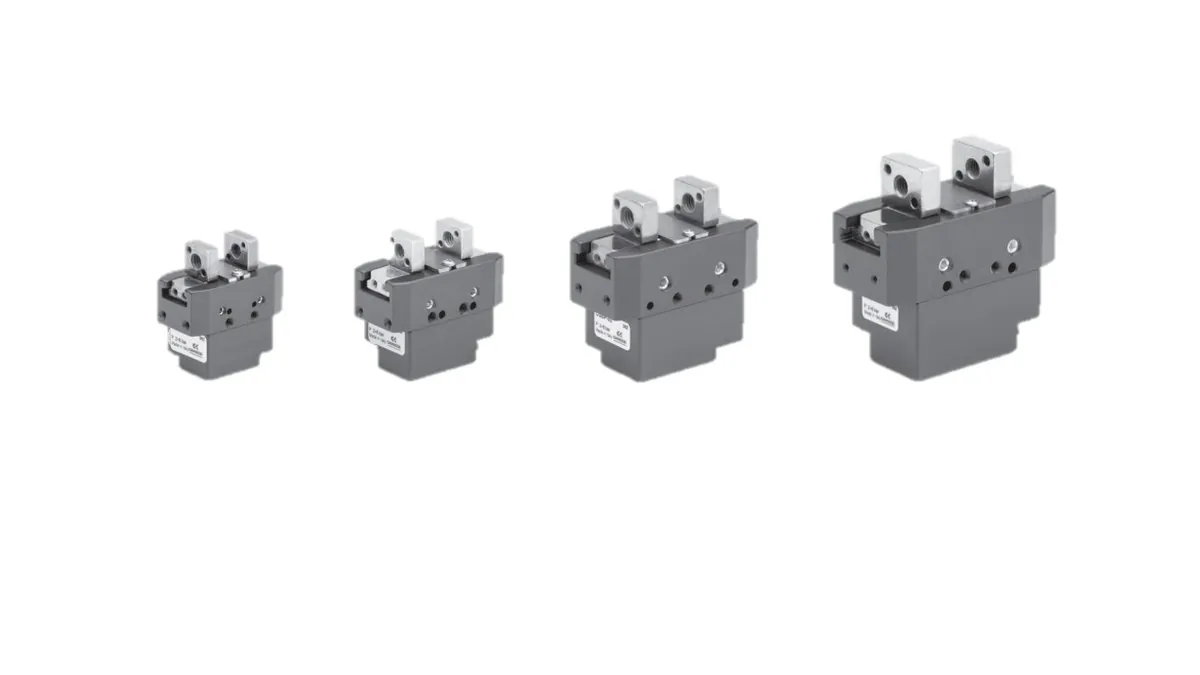
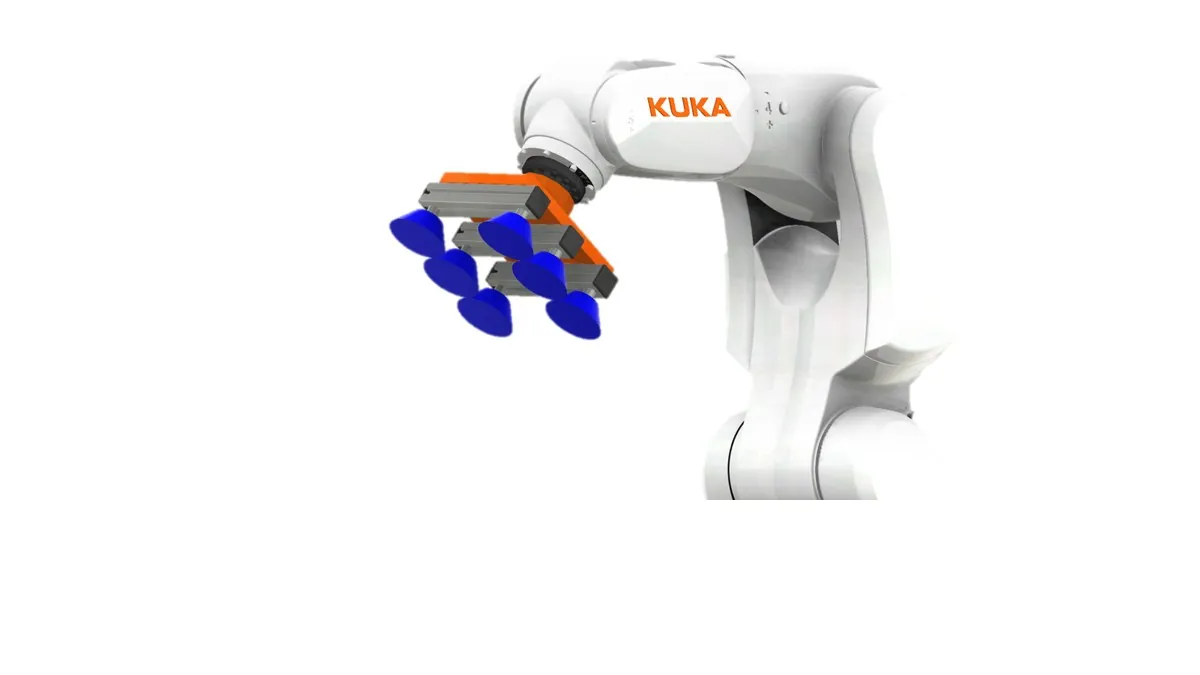
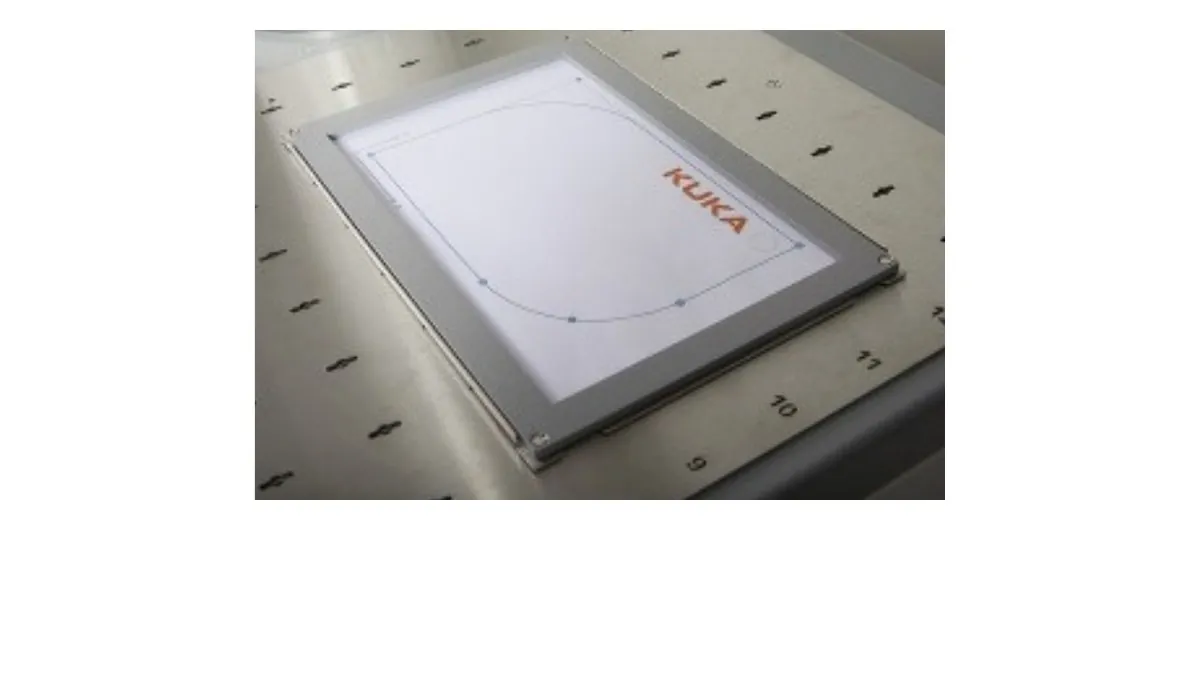
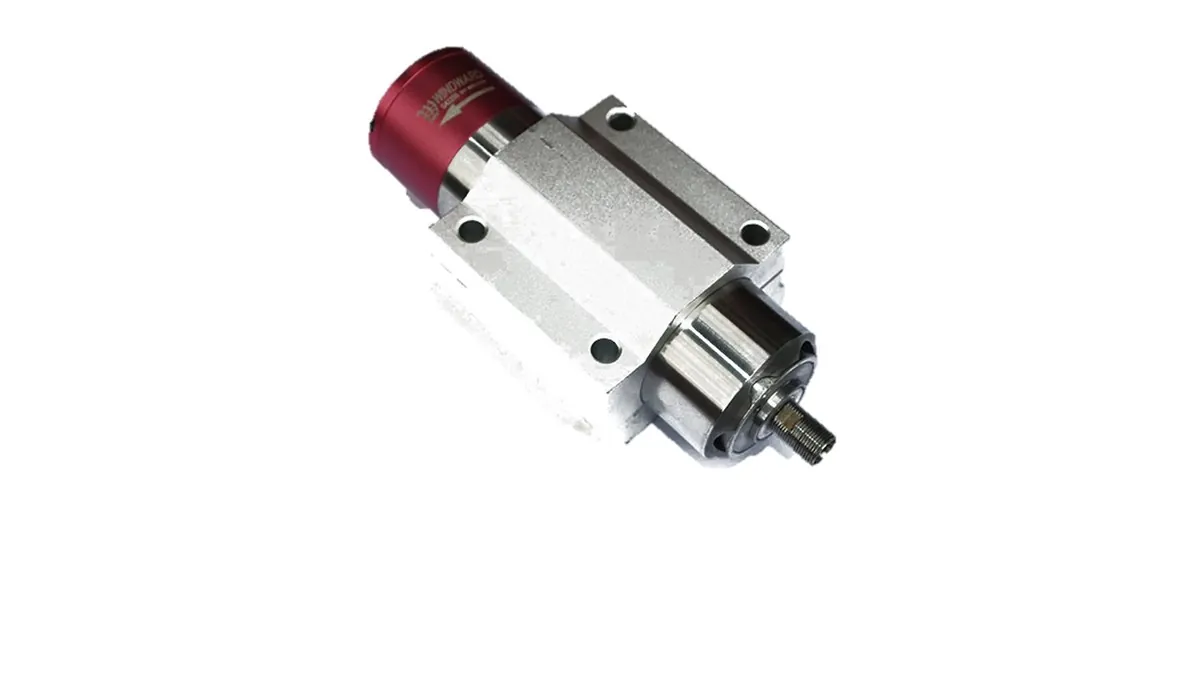
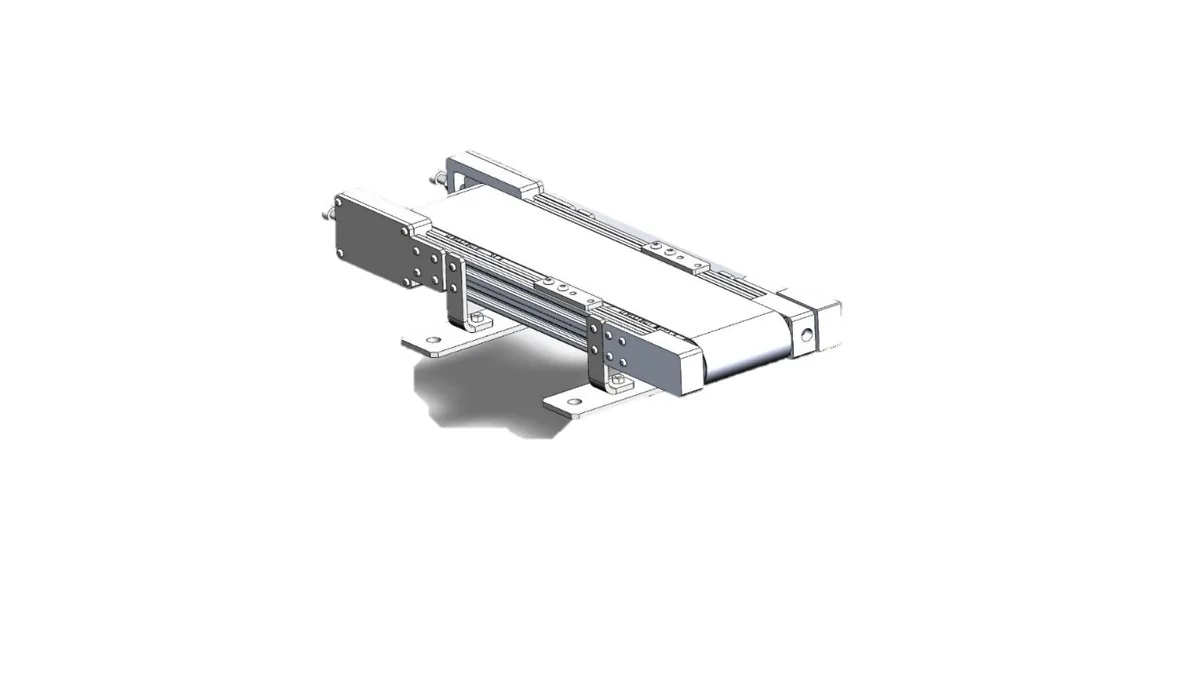
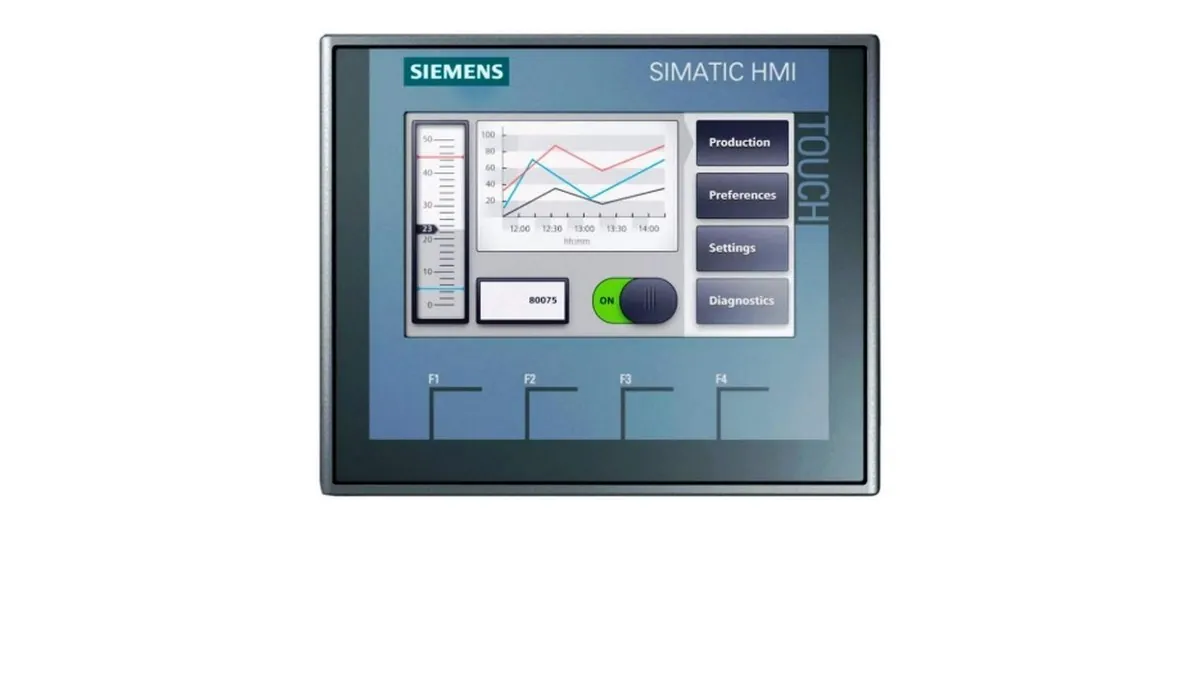
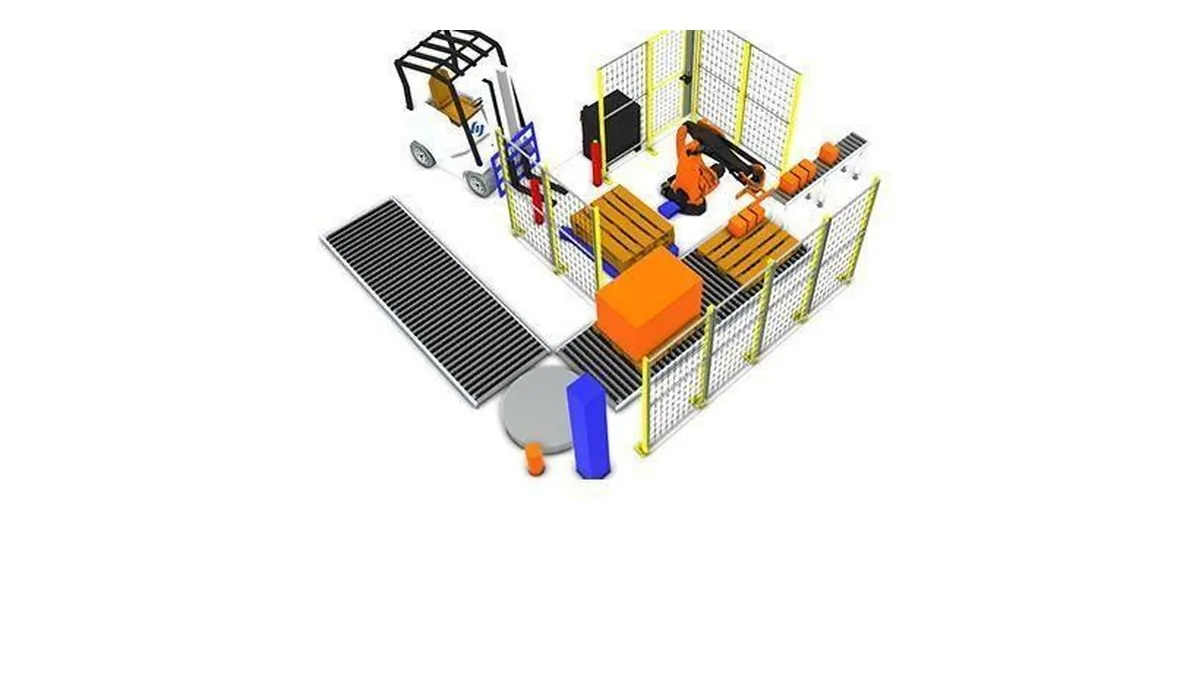
A ready-made training cell based on a KUKA industrial robot: robot, controller, teach pendant, safety fence and training table with interchangeable tooling. The configuration is tailored to the level of the educational institution and expanded with modules.
How it works
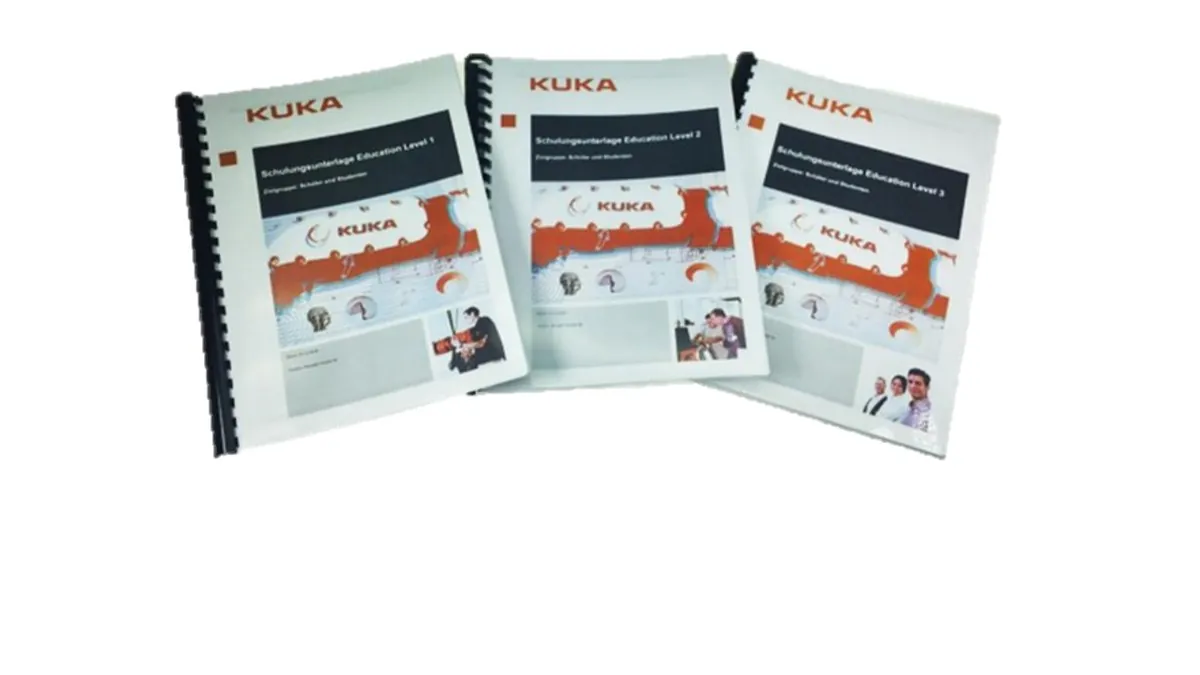
Students program the robot from the teach pendant and in KUKA.WorkVisual, practicing handling, palletizing, milling, work with a conveyor, PLC and a vision system that recognizes at least three part types. Before running on the real robot, programs are tested in the KUKA.Sim simulator.
Kit contents
Where it is used
- Collegesworkshops, demo exams, WorldSkills Industrial Robotics
- Universitieslaboratories, practical training, research projects
- Schools and youth centerscareer guidance and engineering classes
- Enterprisescorporate training of operators and technicians
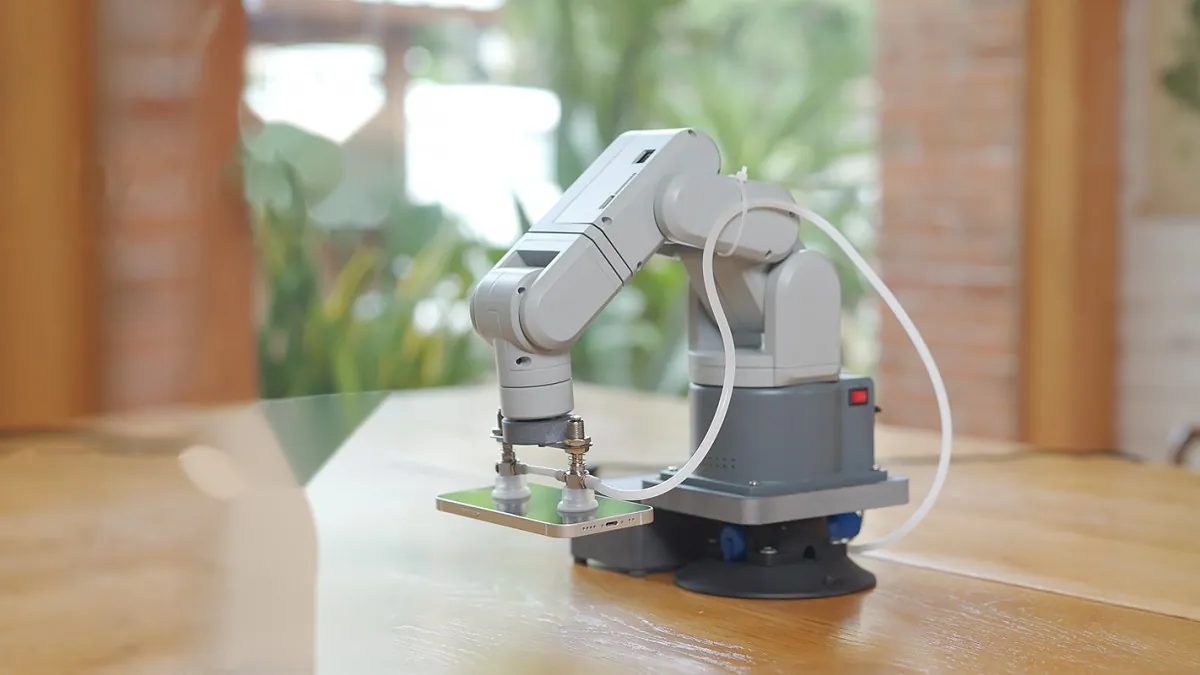
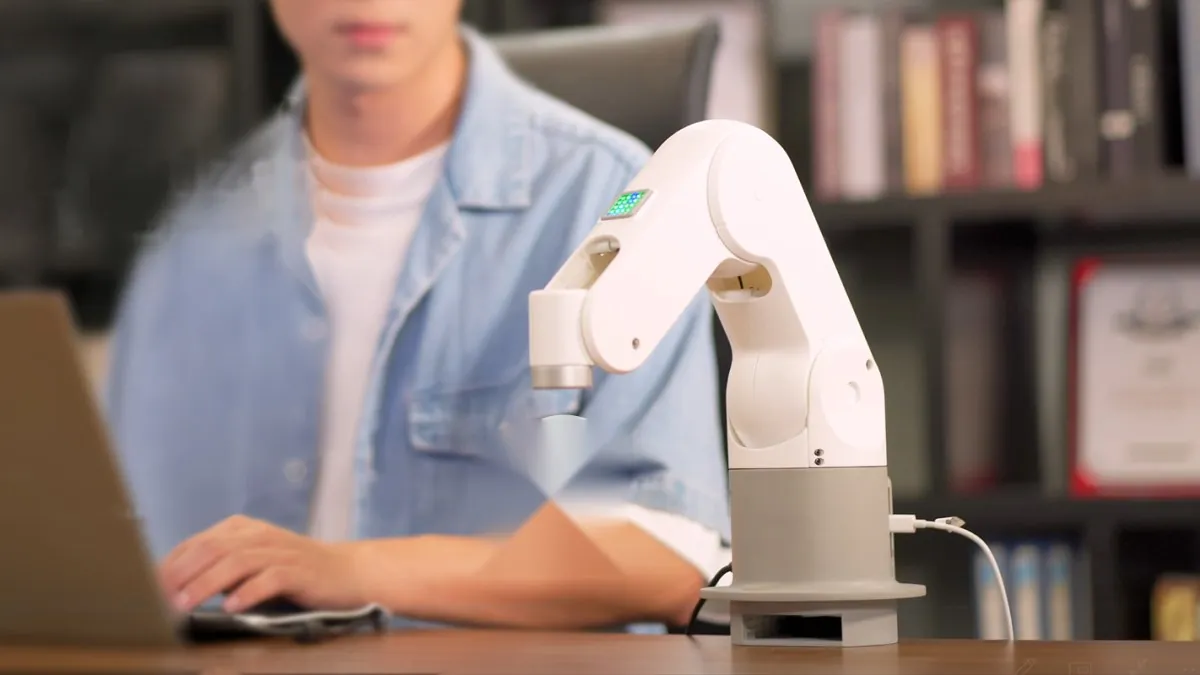
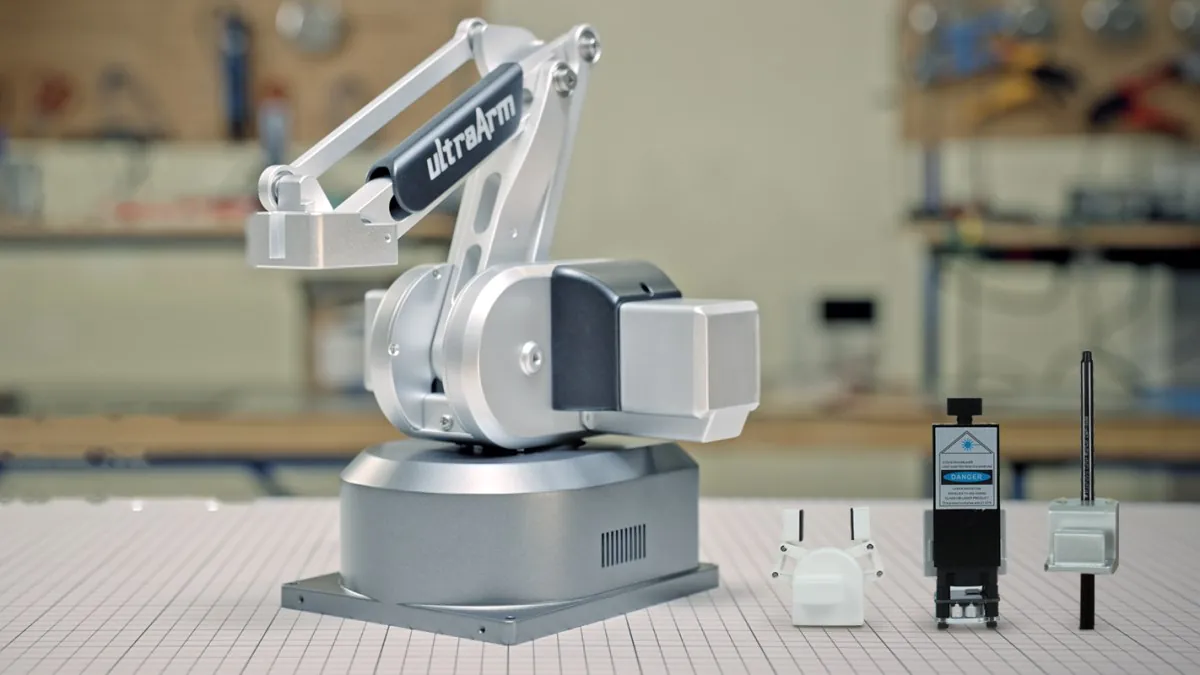
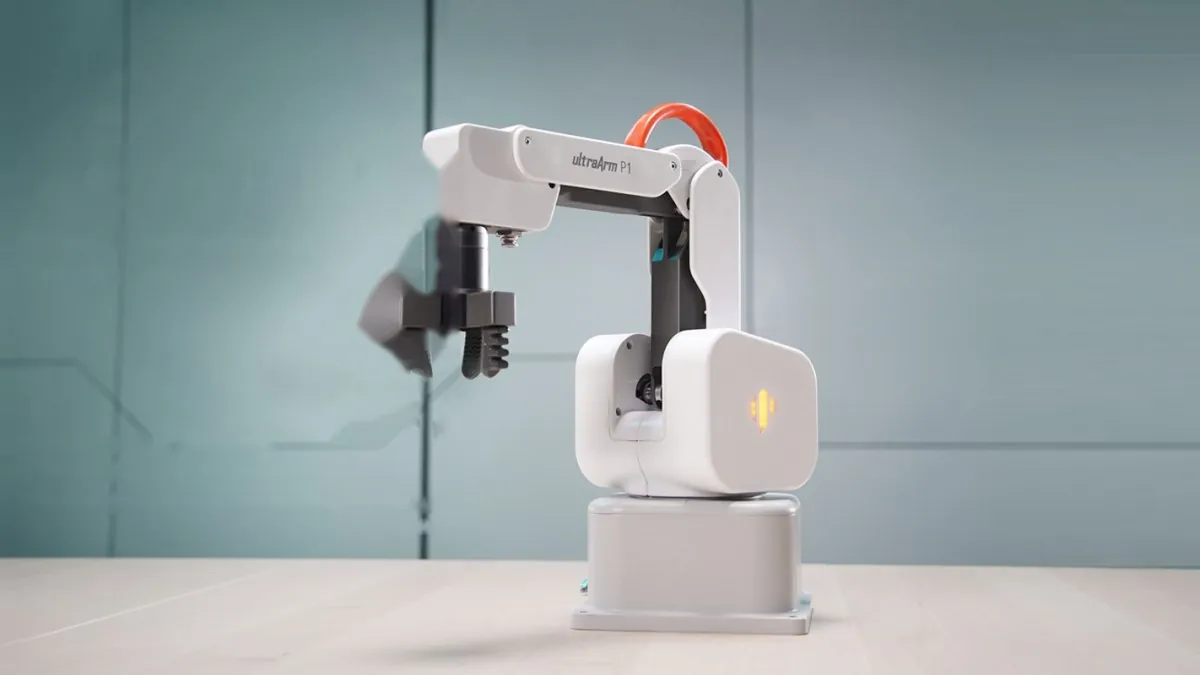
Desktop manipulators
What it is
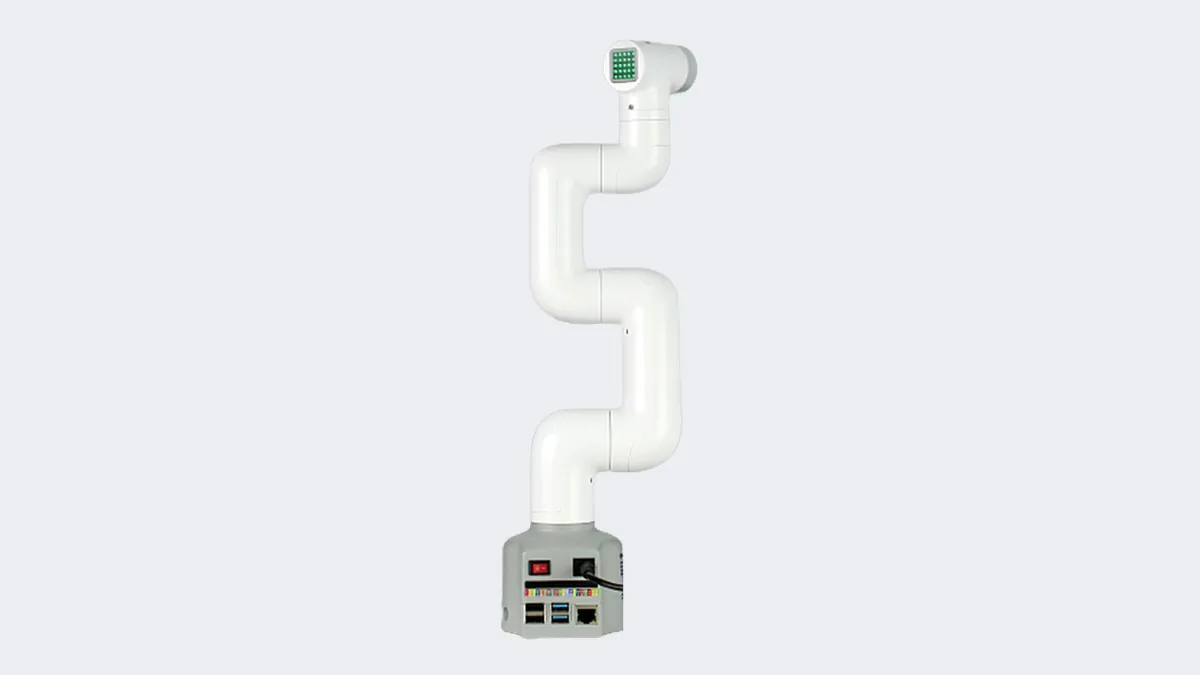
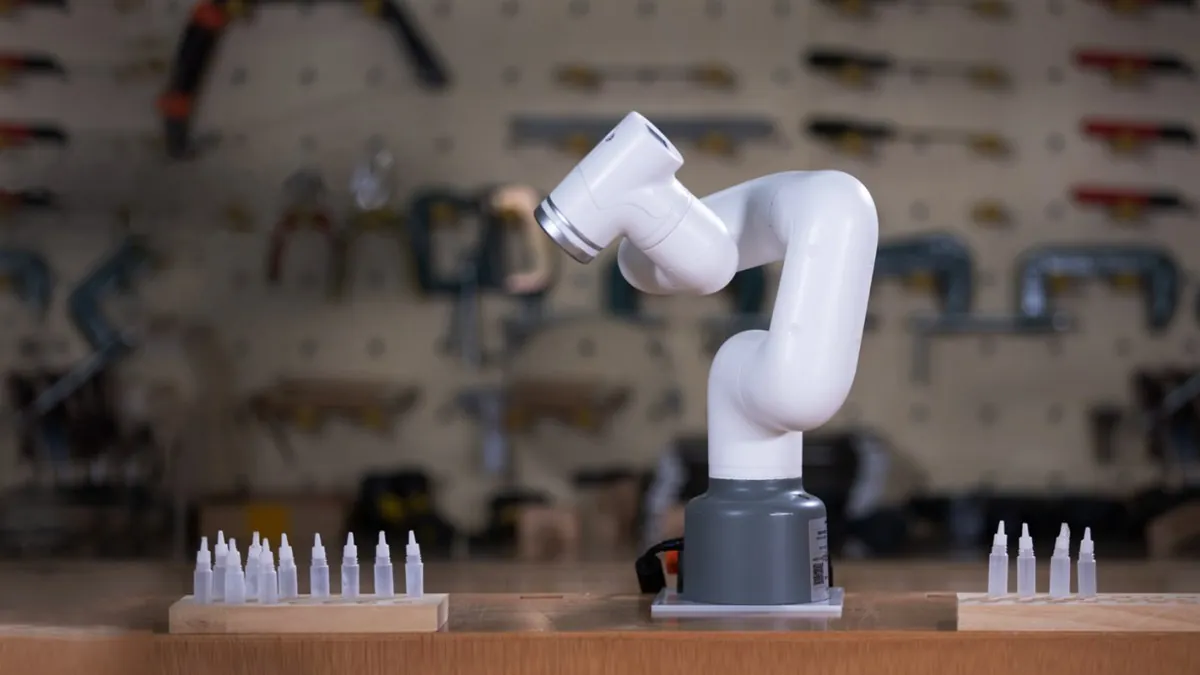
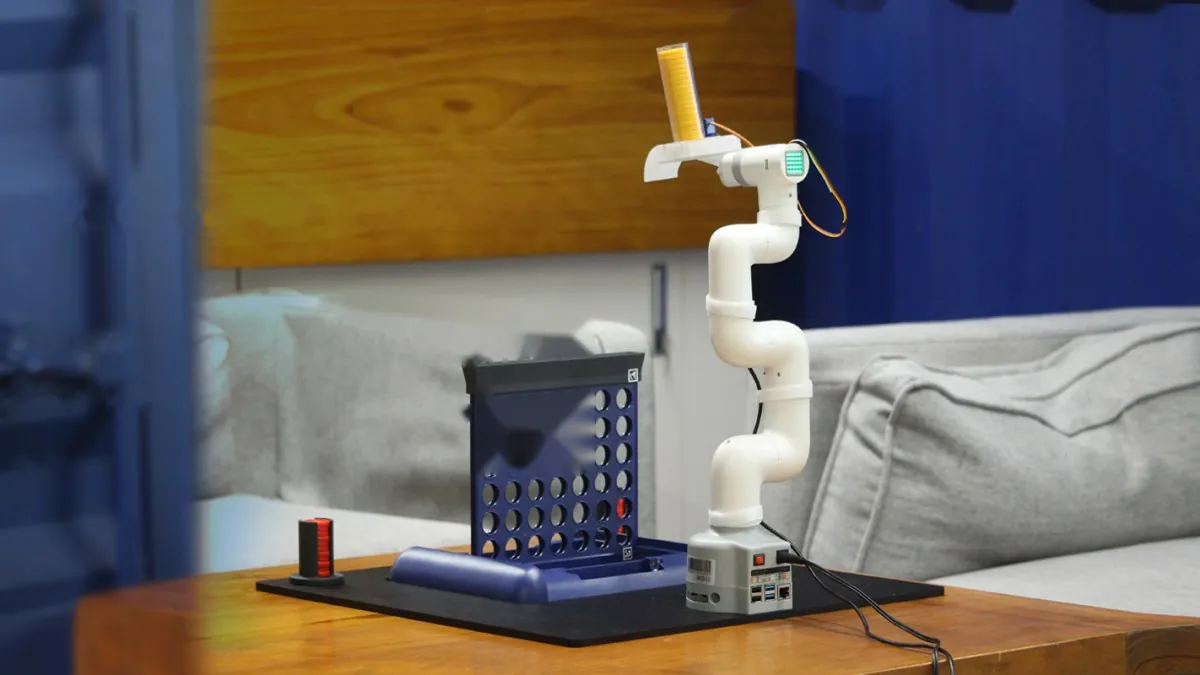
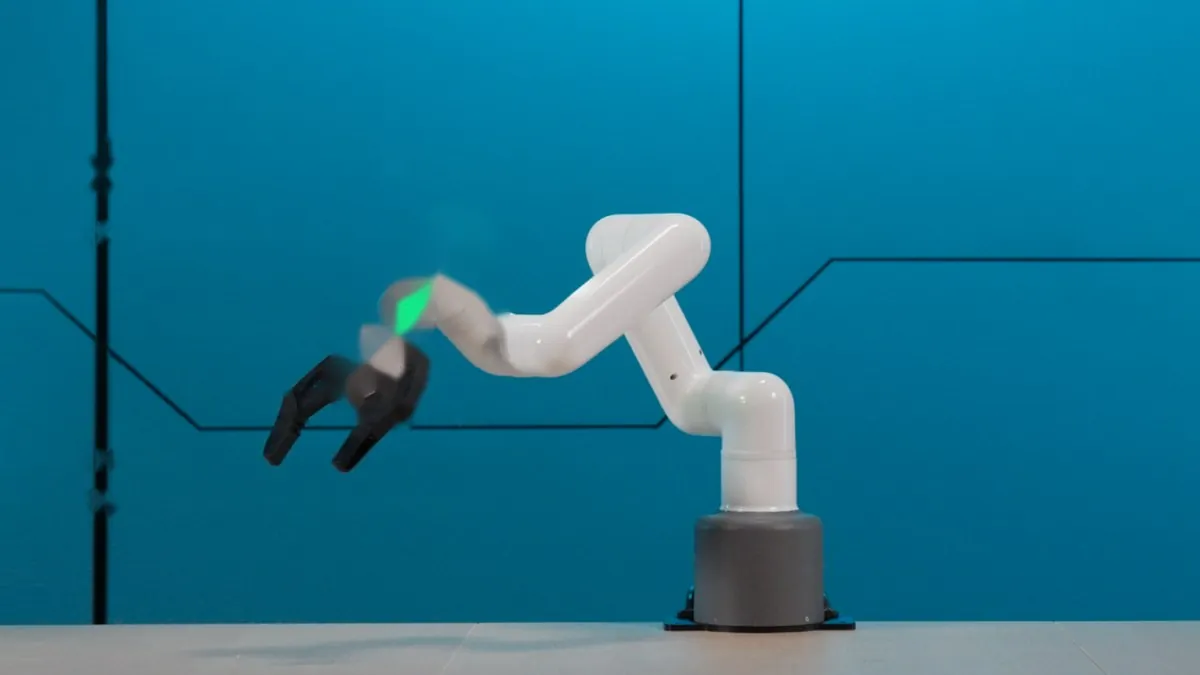
Compact 4- and 6-axis manipulators for the training desk. They run on a built-in Raspberry Pi or a PC and are programmed from visual blocks to Python and ROS.
How it works
Each student or pair works with their own robot: studying kinematics, trajectories, gripping and moving objects. The models share common Elephant Robotics accessories: grippers, suction cups and cameras.
Models in this category
Where it is used
- Schools and STEM classesfirst introduction to robotics through visual programming
- Collegespractice in robot programming and mechatronics
- Universitieskinematics, Python and ROS on real equipment
Training kits: vision, AI, mini line
What it is
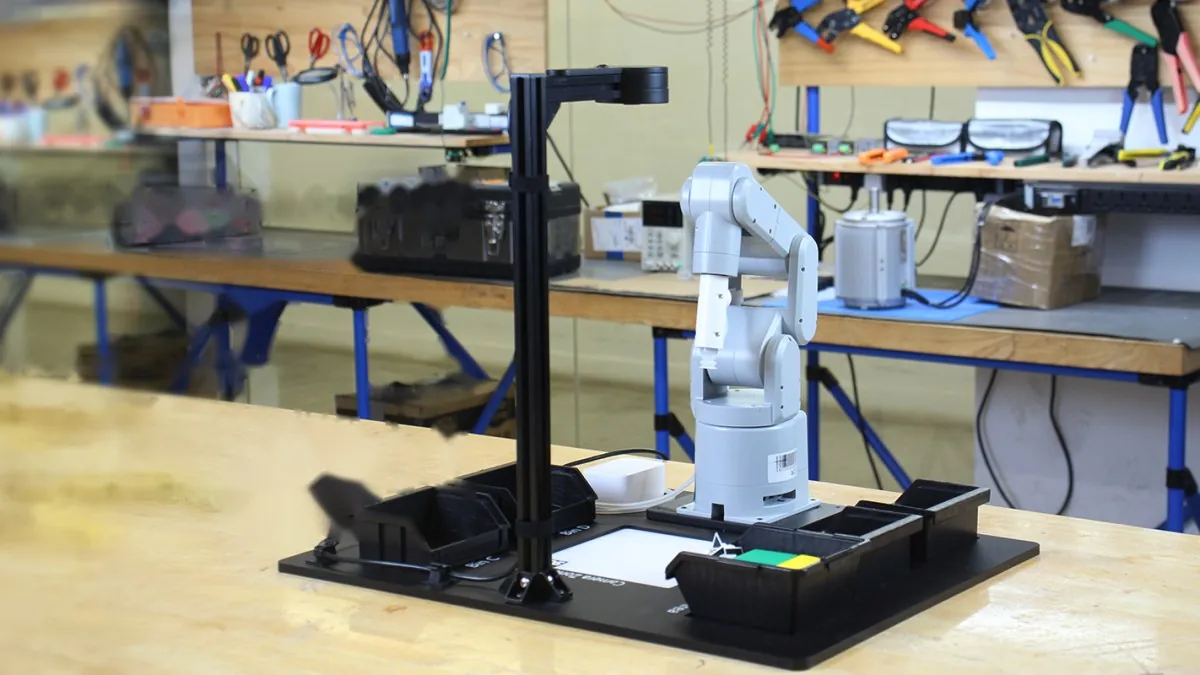
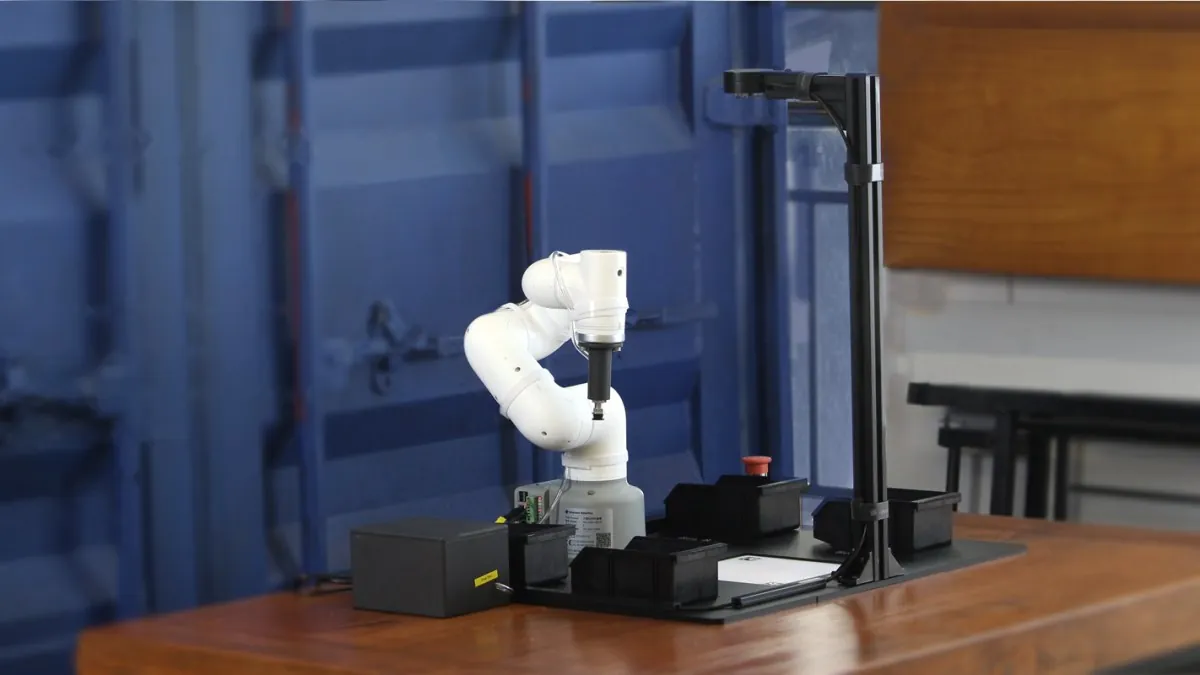
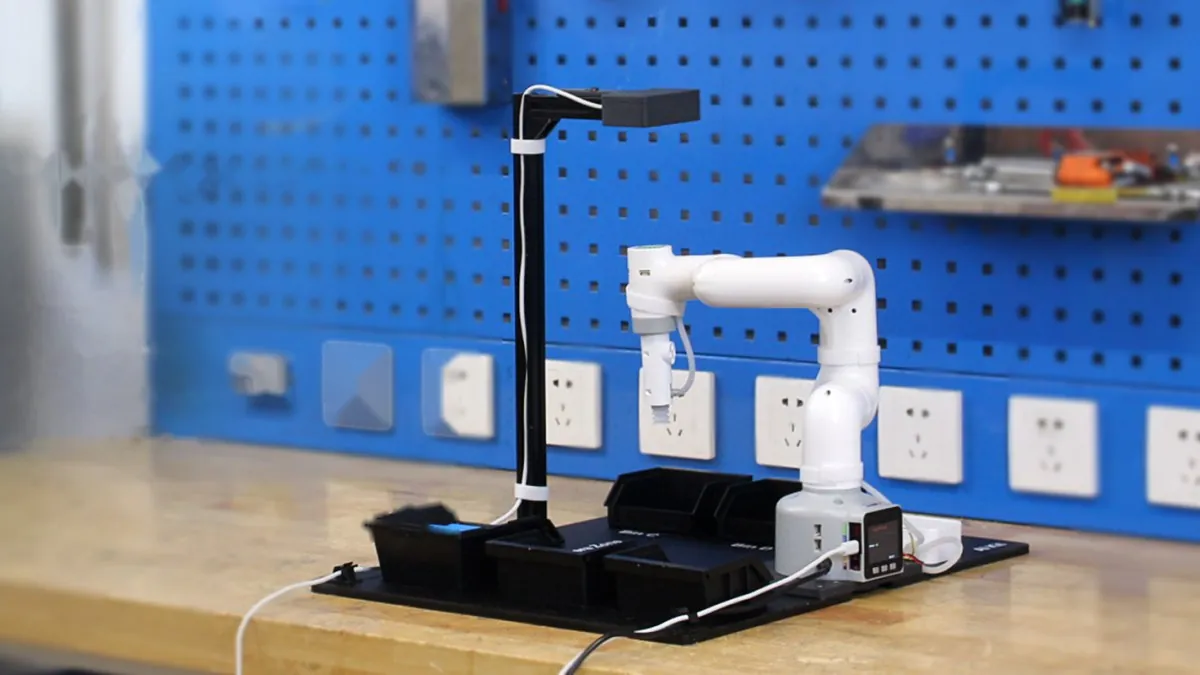
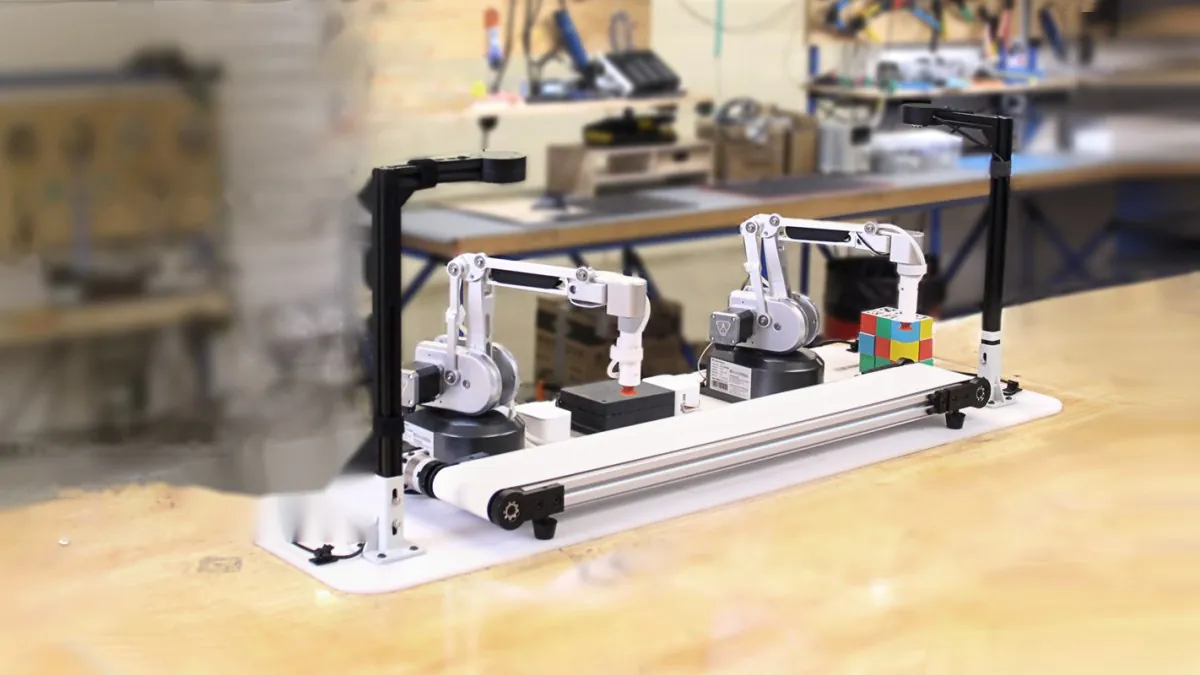
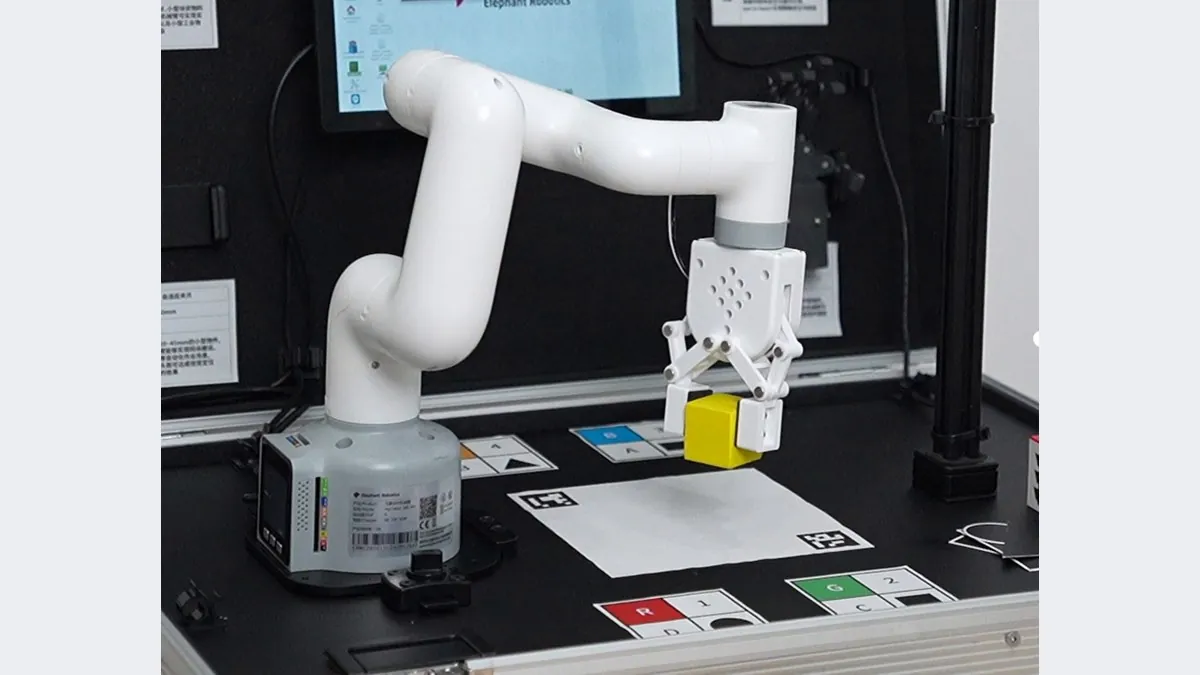
Ready-made kits where a manipulator works together with a camera, conveyor and training objects. Visualization software and learning materials are included.
How it works
Students set up the camera, recognize objects by color, shape and markers, calibrate the camera–robot system, sort items and control a conveyor — in other words, they model a section of a real production line.
Models in this category
Where it is used
- Collegesmachine vision and automatic sorting in practice
- Universitiescourses in AI, OpenCV and computer vision
- Schools and olympiadsgame projects and competitions
Mobile and composite robotics
What it is
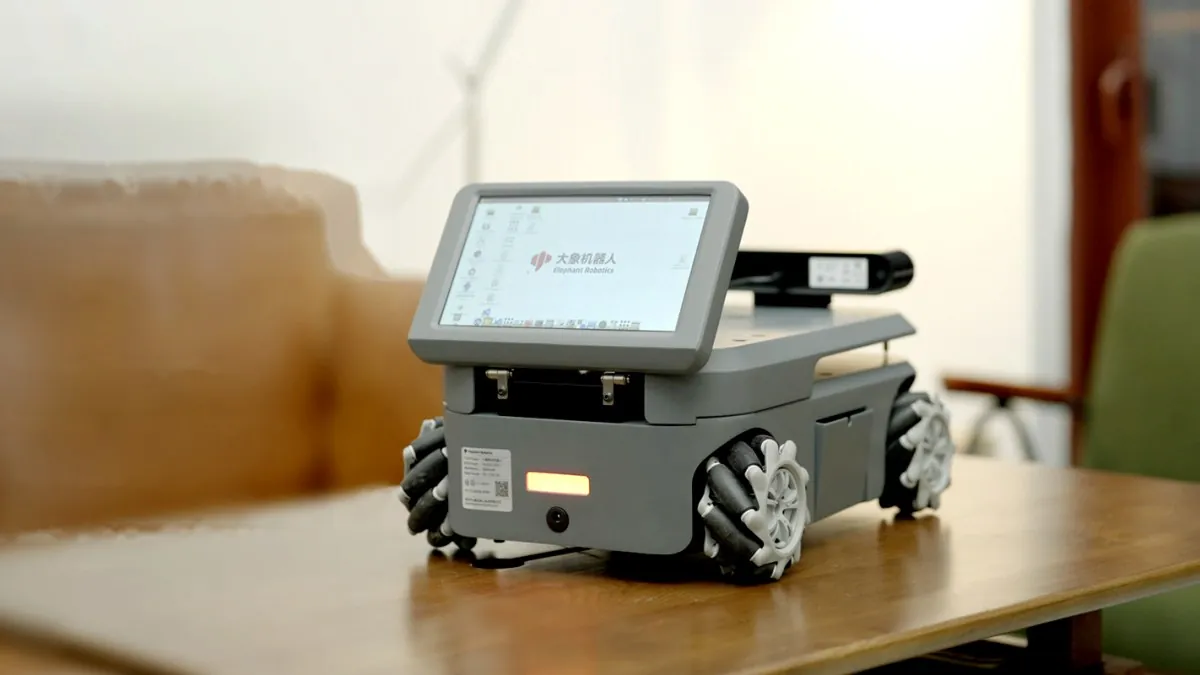
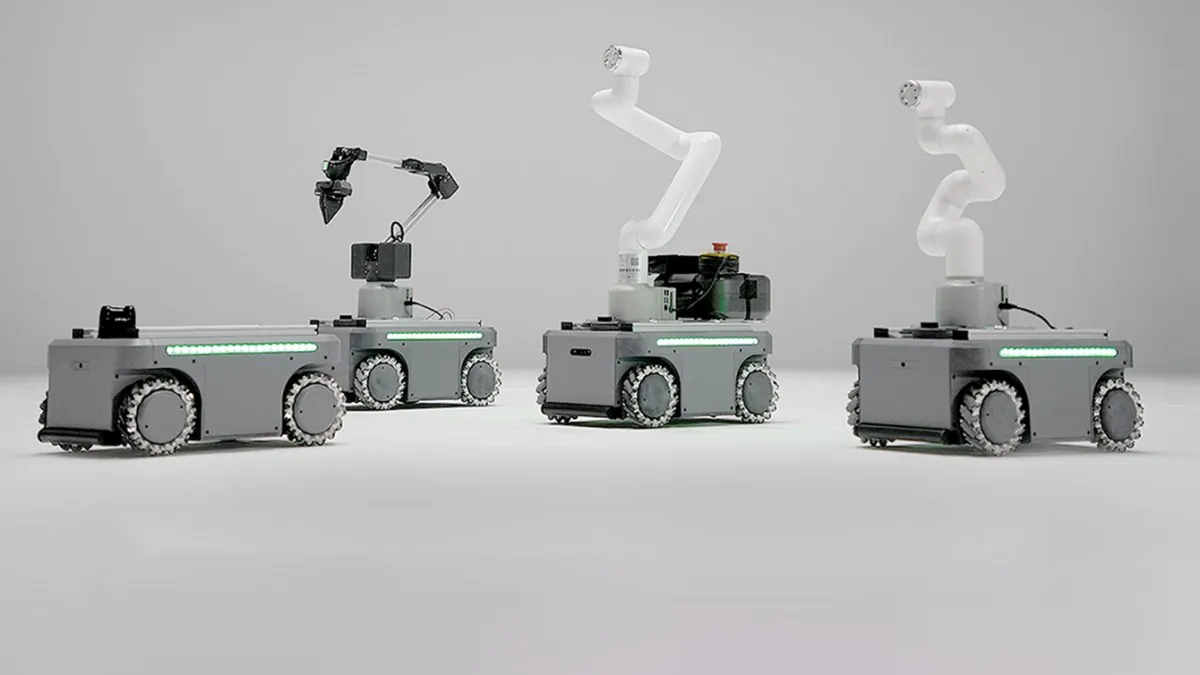
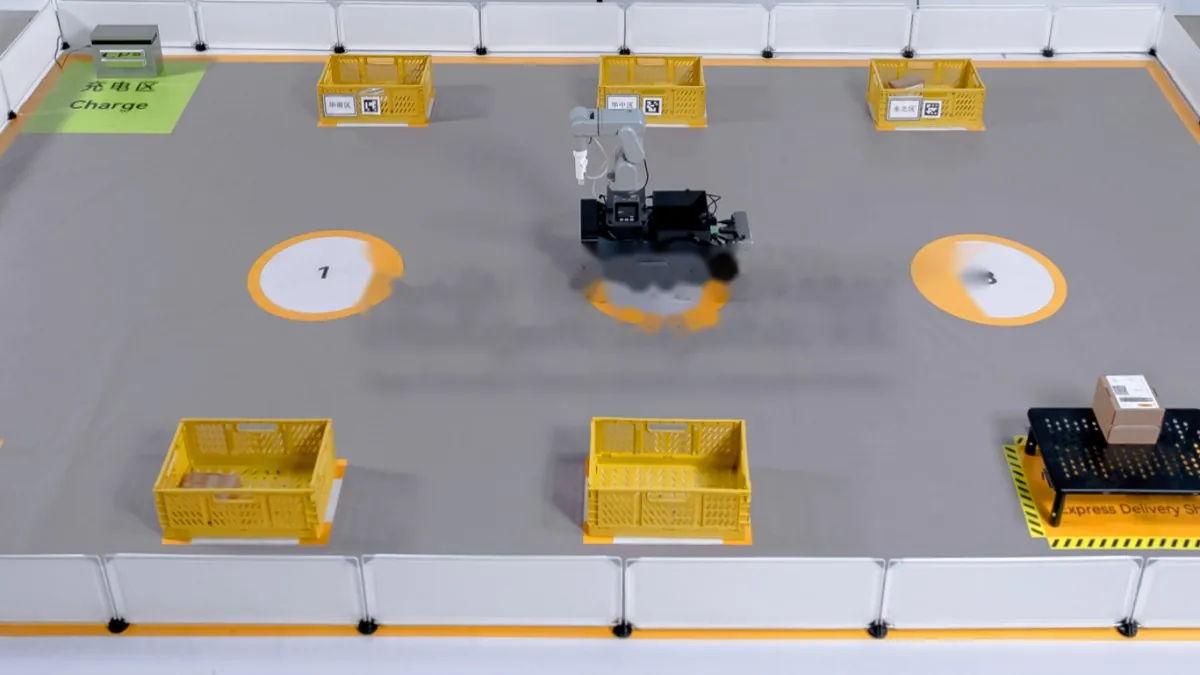
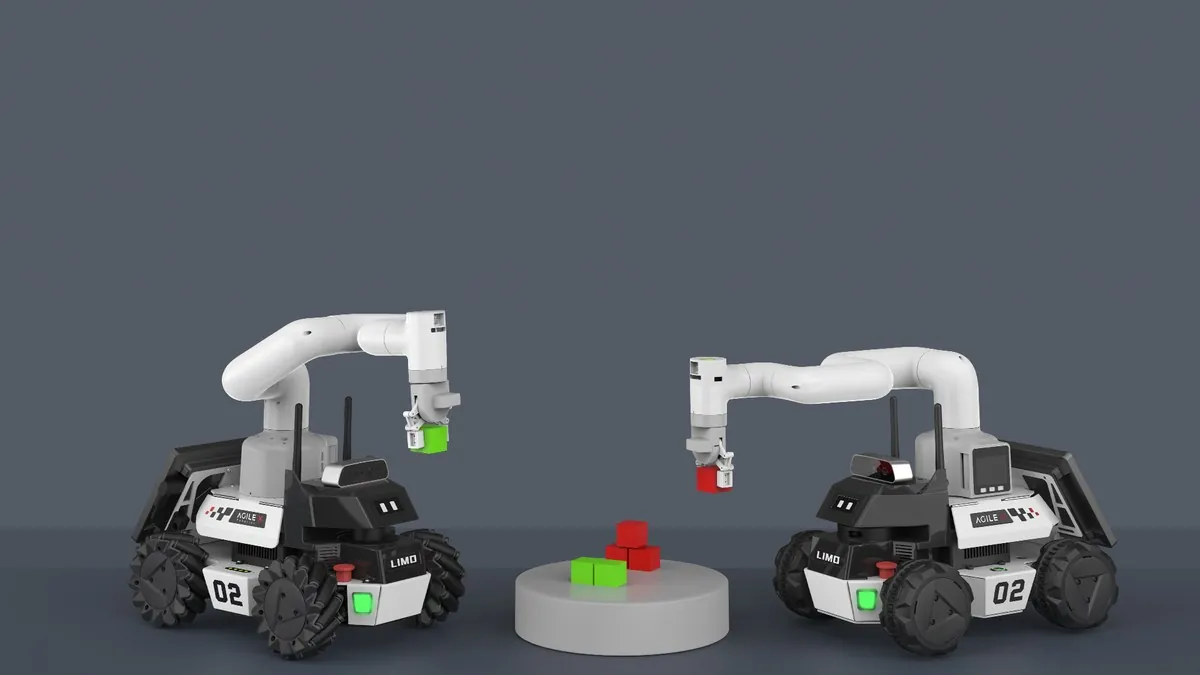
Mobile platforms with lidar and SLAM navigation that carry a manipulator. The result is a robot that drives to an object by itself and picks it up.
How it works
Students build a map of the room, program routes and obstacle avoidance in ROS, and then combine navigation with object grasping, as in a warehouse with mobile robots.
Models in this category
Where it is used
- UniversitiesROS, SLAM, navigation and mobile manipulation
- Collegeswarehouse logistics training ground
- Competitionsmobile robotics projects
Professional cobots
What it is
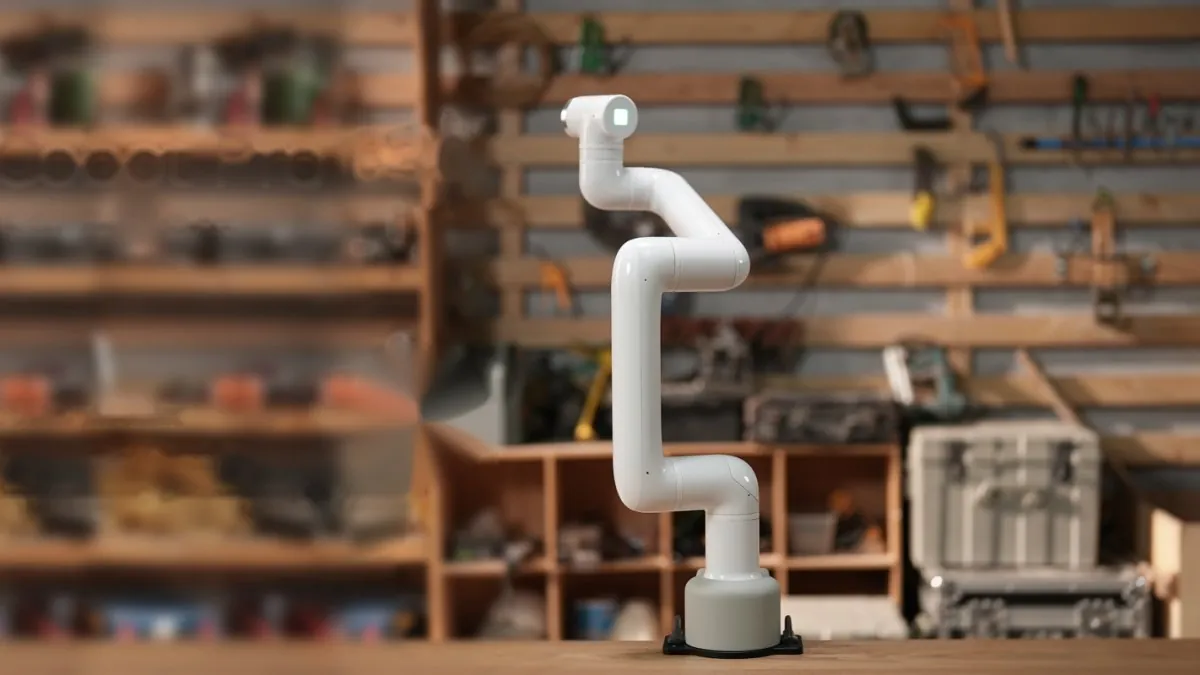
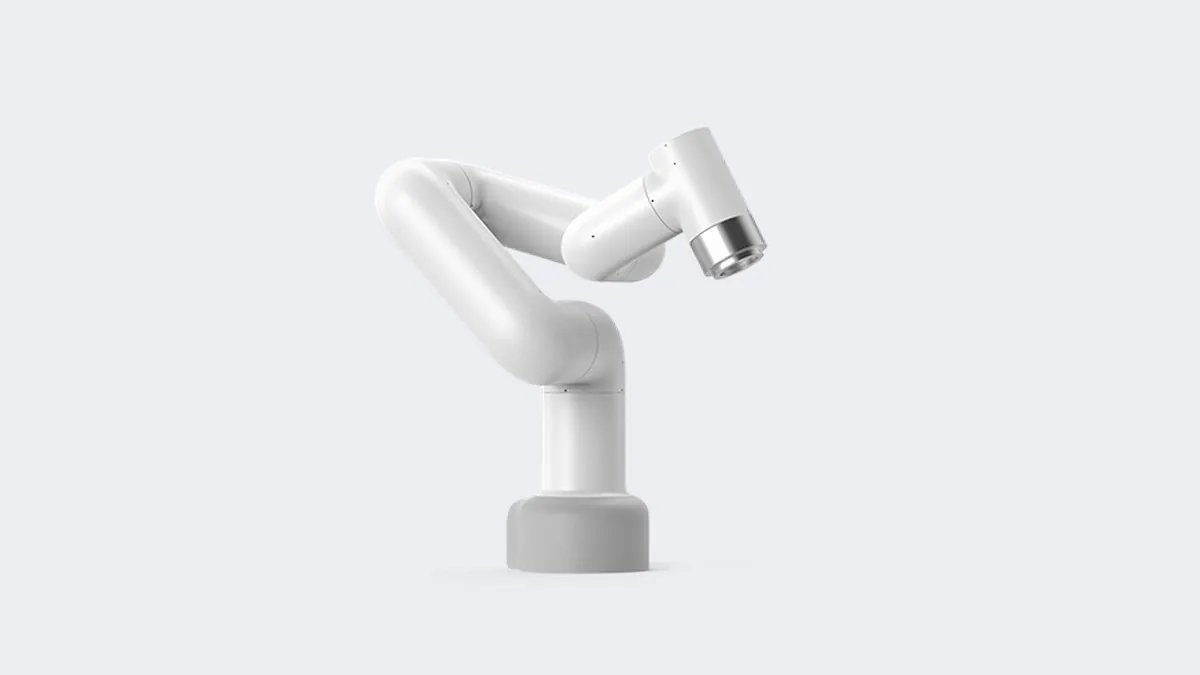
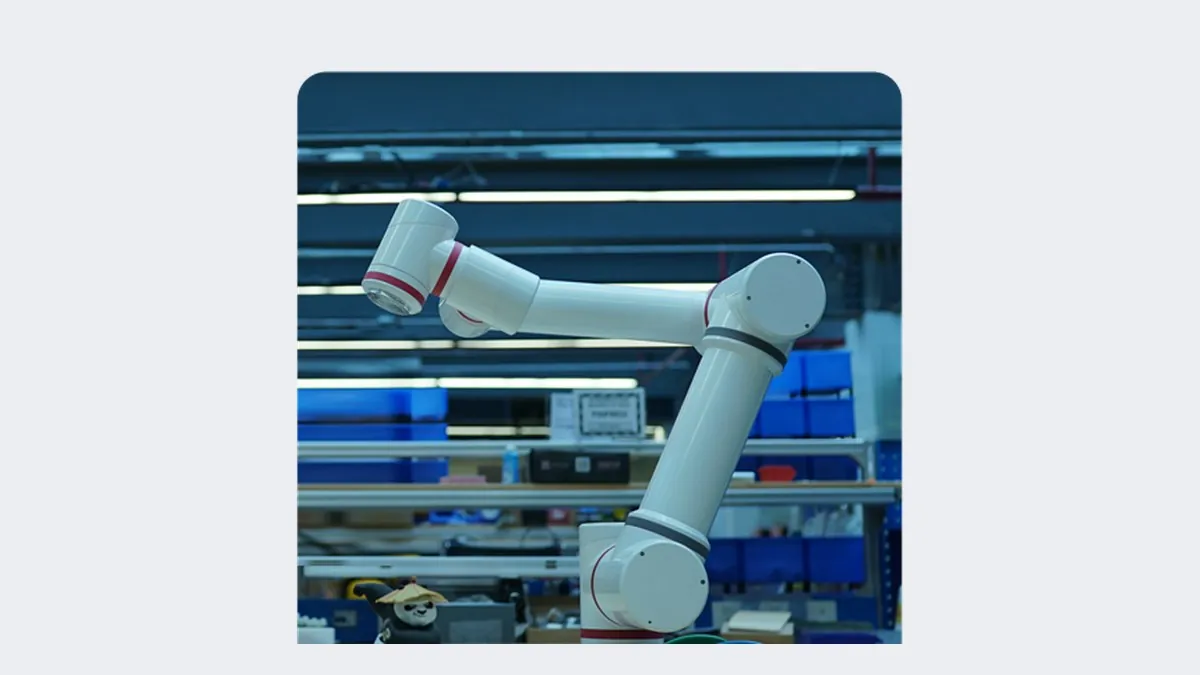
Collaborative robots with payloads from 1 to 5 kg and reach up to 850 mm, closer to industrial cobots than desktop models.
How it works
They are used to practice production tasks: assembly, moving and sorting parts, and working next to people with collision protection. They are programmed from a tablet, by hand guiding and via API.
Models in this category
Where it is used
- University laboratoriesresearch and applied projects
- Collegestraining cobot operators
- Competence centersdemonstration of collaborative robotics
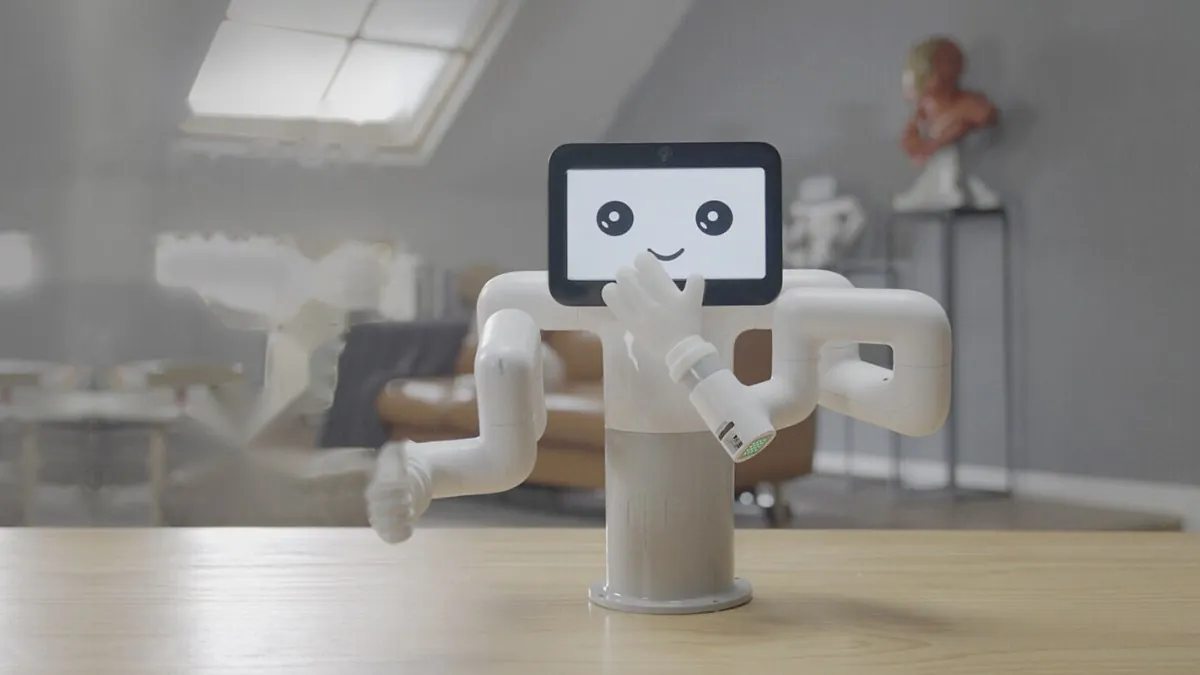
Research: humanoids and Embodied AI
What it is
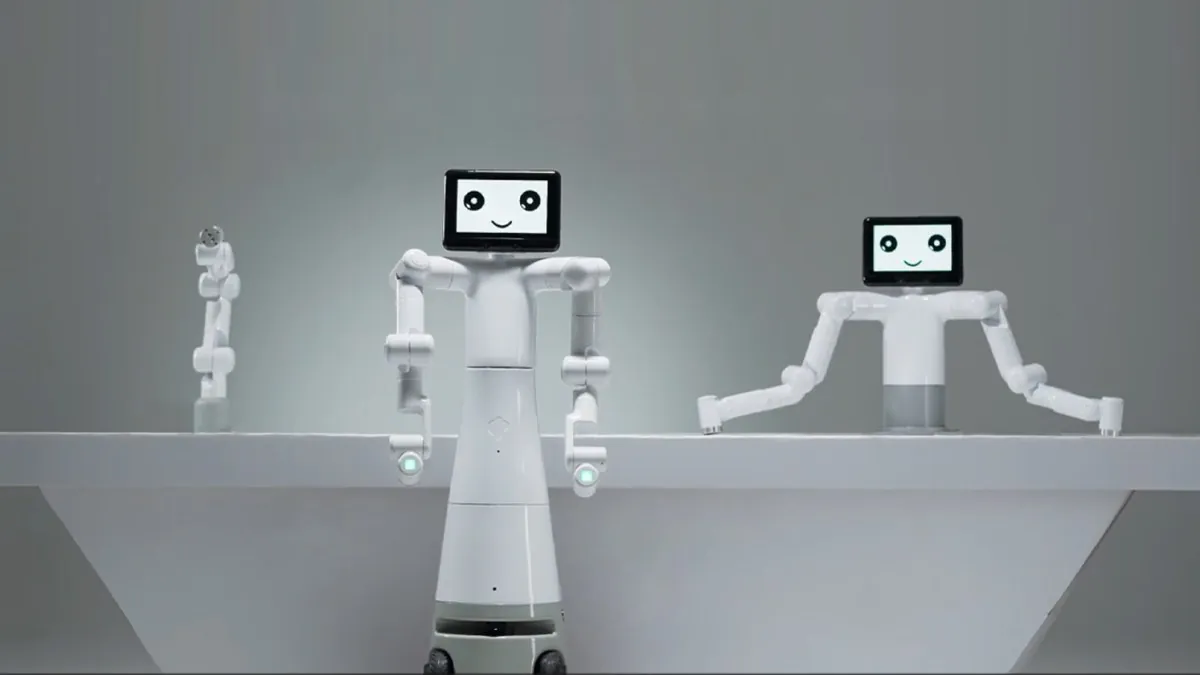
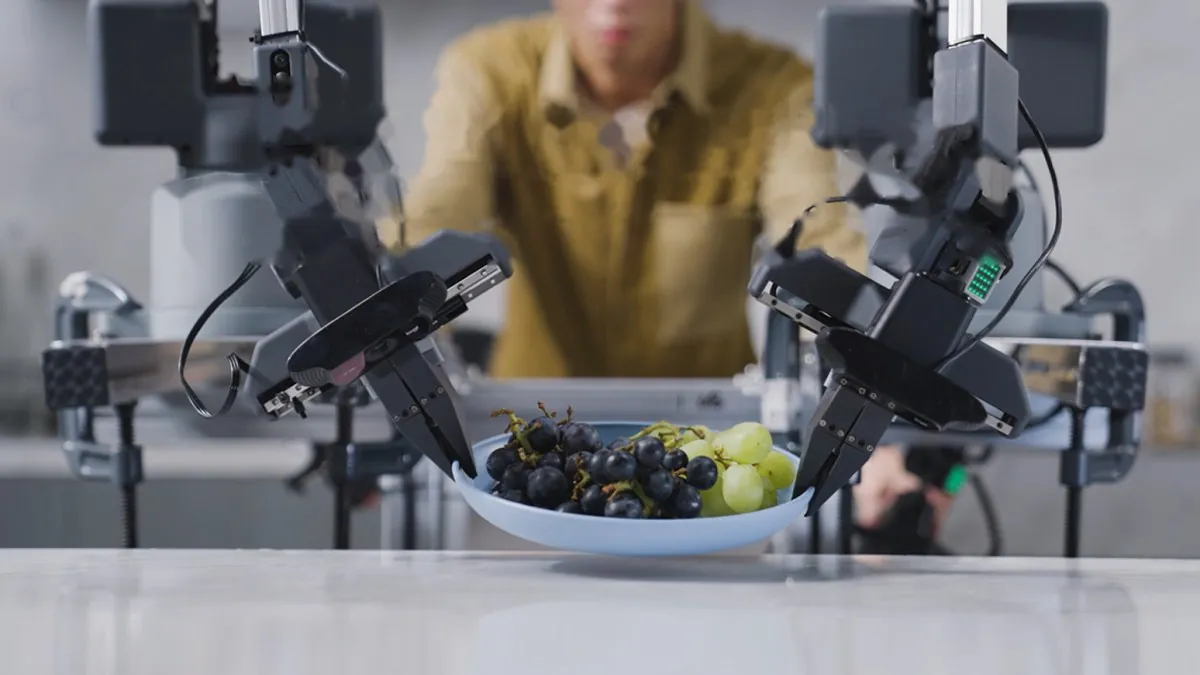
Platforms for embodied AI research: 7-axis manipulators, dual-arm and wheeled humanoids, teleoperation kits for collecting motion data.
How it works
The operator controls the robot through a leader device, the robot repeats the movements, and the recorded data is used to train AI models. ROS, MoveIt, Gazebo and MuJoCo are supported.
Models in this category
Where it is used
- University research laboratoriesresearch in robotics and AI
- Master's and PhD programsexperiments in robot learning
- R&D centersalgorithm validation on real equipment
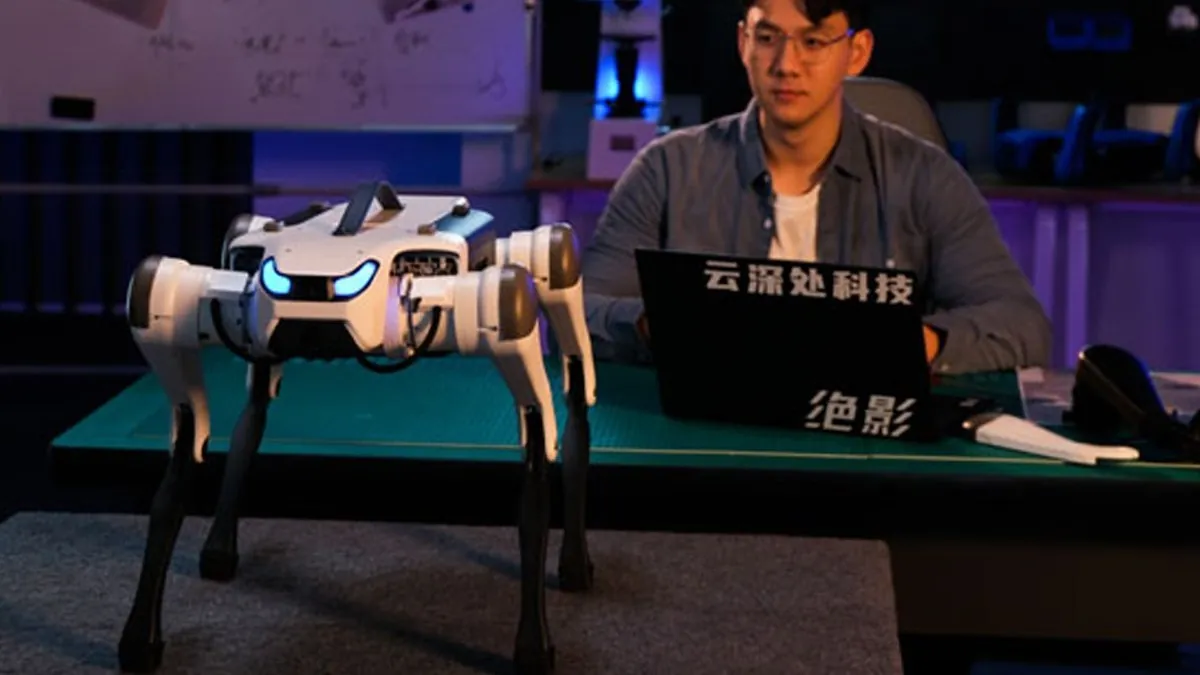
Research: Lite3 robot dog
What it is
- Deep Robotics Lite3 quadruped robot for education and research: open SDK and motion control API, perception interfaces with sample code, and modular customization for laboratory tasks.
- Basic: 12 kg, 5 kg payload, 5 km range, stops in front of obstacles, follows a person
- Venture: 2 Ethernet ports and external 24/12/5 V power for your own modules
- Pro: USB 3.0, HDMI, Ethernet, obstacle avoidance
- LIDAR: lidar and autonomous navigation
How it works
Students and researchers study the design and control of a legged robot, write their own locomotion and perception algorithms, and add extra sensors and modules. The robot climbs steps up to 18 cm and slopes up to 40°, and runs for 1.5–2 hours.
Where it is used
- University laboratoriesresearch in legged robotics and AI
- Educational processinstallation, control and programming of the robot
- Competitionsrobotics competitions and projects
Courses and professional training
What it is
Training of teachers, operators and robot programmers on real equipment.
Why robotize
Equipment only works when there are people who know how to use it.
How we work
- 1
Defining the task
We discuss what prevents efficient work and define the goal of robotization
- 2
Diagnostics and audit
We analyze processes and equipment on site
- 3
Design
We design the solution and its integration into your process
- 4
Integration and implementation
Supply, installation and commissioning
- 5
Service and training
Support and staff training